Log in / Sign in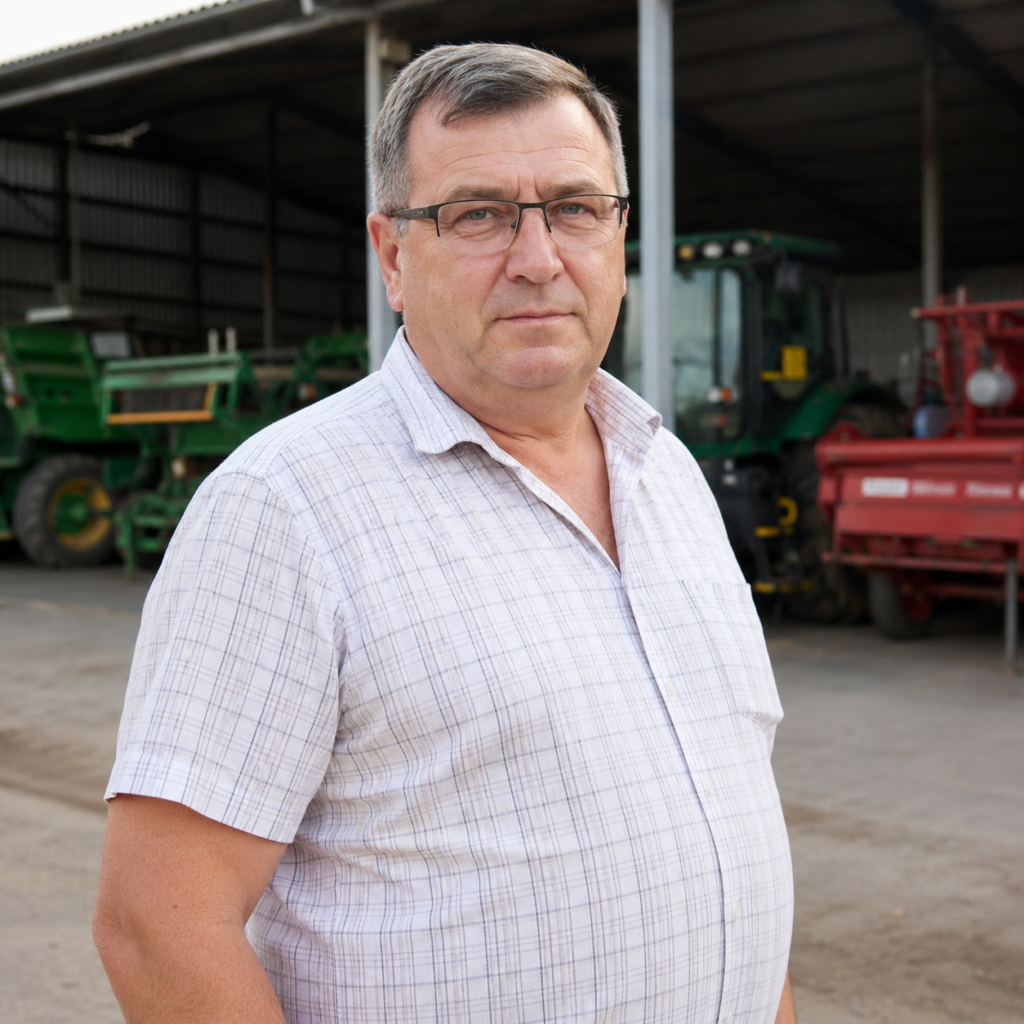
What I Write About
Most of my work explores the electronic side of today’s diesel-powered trucks. I cover engine management systems, diagnostic procedures, emissions equipment, and the technology behind ECUs that technicians deal with every day. Rather than listing specifications or fault codes, I prefer to explain why these systems behave the way they do and what those behaviors mean in real operating conditions.
Whether the topic is a DPF regeneration issue, an SCR fault, or an ECU calibration, my goal is always the same—to turn complicated technical information into something useful for people responsible for keeping trucks on the road.
My Story
Diesel engines have been part of my life for as long as I can remember. Being part of a farming community meant knowing the importance of not only machines like tractors, combines, and heavy trucks, but what they all meant to the community; they were the tools that got everyone’s work done. Before I entered the field, I learned about the importance of knowing how to maintain them and learned how to maintain a few pieces.
Later, I worked as a mobile service technician supporting both agricultural and commercial equipment. Every day brought different problems, but one lesson repeated itself over and over: modern diesel vehicles are often limited by electronics rather than mechanical failures. Sensors, control modules, software logic, and emissions systems became just as important as pistons, injectors, and turbochargers.
That realization gradually shifted my attention toward diagnostics, ECU operation, and the software that controls today’s diesel engines.
How I Approach My Articles
I don’t write from manuals alone. Most of the information in my articles comes from years of working with equipment, discussions with experienced technicians, conversations with fleet maintenance teams, and the kinds of problems that appear repeatedly in repair shops.
I prefer using practical examples instead of theoretical explanations whenever possible. My objective isn’t simply to describe how a system works, but to explain why certain failures happen, how technicians identify the root cause, and which diagnostic steps usually save the most time.
Today
I now dedicate my work to technical writing and consulting for the commercial diesel industry. My primary interests include electronic engine controls, diagnostic strategies, emissions technologies, and the maintenance practices that improve long-term vehicle reliability.
I continue studying new ECU platforms, diagnostic software, and evolving emissions systems while writing educational content for mechanics, fleet operators, workshop professionals, and truck owners who need accurate information without unnecessary technical jargon.